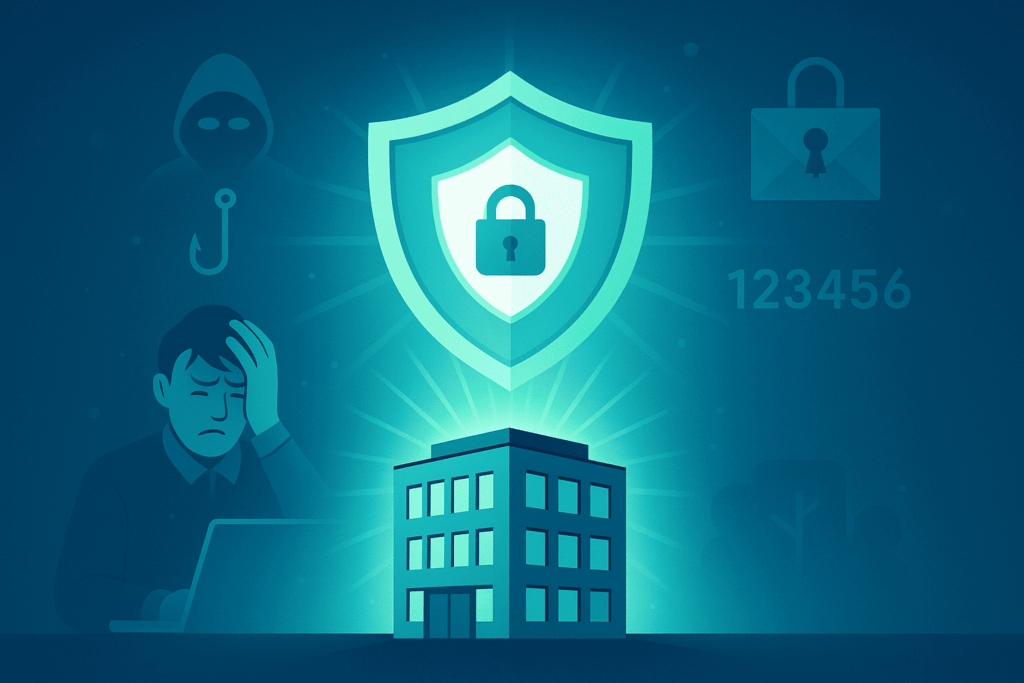
Imagine a small bakery owner dismissing cybersecurity concerns, thinking, “Why would hackers care about my cupcake recipes?” Unfortunately, cybercriminals don’t discriminate. Small and mid-sized businesses (SMBs) are increasingly targeted because they often lack the robust defenses of larger enterprises. In fact, CISA reports that SMBs are prime targets for phishing, ransomware, and other attacks due to perceived vulnerabilities.
This article will provide a beginner-friendly guide to cybersecurity, focusing on practical, affordable strategies tailored to SMBs. Whether you’re a local retailer or a growing healthcare practice, these tips will help you protect your business from common cyber threats.
What Are the Biggest Cybersecurity Threats Facing SMBs?
SMBs are attractive targets for cybercriminals because they often lack the resources to implement advanced security measures. Below are some of the most common threats SMBs face:
- Phishing Attacks: Phishing involves fraudulent emails or messages designed to trick employees into revealing sensitive information. For example, a fake email claiming to be from a trusted vendor might ask for login credentials. SMBs are particularly vulnerable because employees may not be trained to spot these scams.
- Ransomware: Ransomware encrypts a company’s data and demands payment for its release. While high-profile cases like the Colonial Pipeline attack make headlines, smaller businesses are frequently targeted because they’re more likely to pay the ransom. A single ransomware attack can cripple operations and lead to significant financial loss.
- Weak Passwords: Poor password hygiene, such as using “123456” or reusing passwords across accounts, makes it easy for hackers to gain access to systems. SMBs often overlook the importance of strong password policies.
- Insider Threats: Employees, whether malicious or simply careless, can inadvertently expose sensitive data. For instance, an employee clicking on a malicious link or using an unsecured device can open the door to cyberattacks.
How Can SMBs Build a Strong Cybersecurity Foundation?
Building a strong cybersecurity foundation doesn’t have to be overwhelming or expensive. Here are practical steps SMBs can take:
- Employee Training: Educate employees on recognizing phishing emails, avoiding suspicious links, and practicing good cyber hygiene. Regular training sessions can significantly reduce human error.
- Strong Password Policies: Implement a password manager to generate and store complex passwords securely. Enforce multi-factor authentication (MFA) for an added layer of protection.
- Regular Software Updates: Outdated software is a common entry point for hackers. Ensure all systems, applications, and devices are updated with the latest security patches.
- Backups: Regularly back up critical data to a secure, offsite location. This ensures you can recover quickly in the event of ransomware or data loss.
- Firewalls and Antivirus Software: Invest in affordable tools to protect your network and devices. Many solutions are designed specifically for SMBs and offer robust protection without breaking the bank.
What Should SMBs Do in Case of a Cybersecurity Incident?
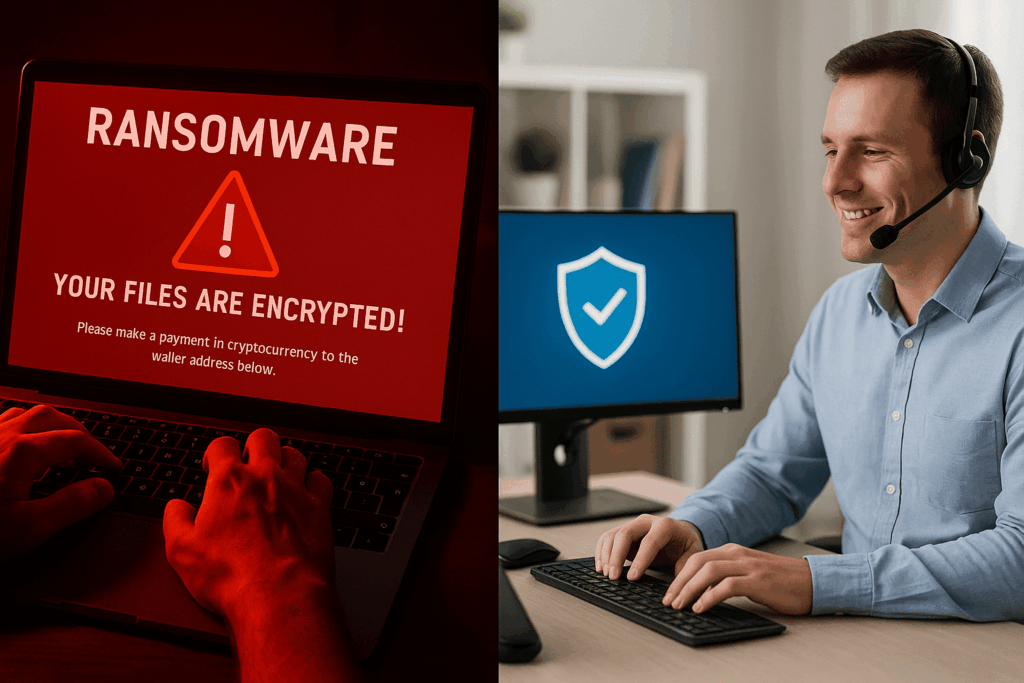
Even with the best precautions, incidents can still happen. Here’s a simple incident response plan for SMBs:
- Step 1: Isolate affected systems immediately to prevent the spread of malware or unauthorized access.
- Step 2: Notify key stakeholders, including employees, customers, and partners, if their data may be affected.
- Step 3: Contact a cybersecurity professional or managed IT provider for expert assistance in containing and resolving the issue.
- Step 4: Review and update your security policies to address any vulnerabilities exposed during the incident.
CRES Technology offers 24/7 monitoring and incident response services to help SMBs recover quickly and minimize damage. Our team ensures your business is back on track with minimal disruption.
How Can SMBs Affordably Improve Their Cybersecurity?
Budget constraints are a common concern for SMBs, but cybersecurity doesn’t have to be expensive. Here are some cost-effective solutions:
- Use free or low-cost tools like password managers, antivirus software, and basic firewalls. Many of these solutions are designed with SMBs in mind.
- Outsource IT to a managed service provider (MSP) for predictable costs and access to expert support. MSPs can handle everything from monitoring to patch management, saving you time and resources.
- CRES Technology offers scalable cybersecurity solutions tailored to SMB budgets, ensuring you get enterprise-grade protection without overspending.
Conclusion
Cybersecurity is no longer optional for SMBs. Proactive measures can save your business time, money, and reputation. Start small by training employees, updating software, and implementing basic protections. These steps can make a significant difference in reducing your risk.
If you’re looking for expert guidance, CRES Technology can help you build a scalable, affordable cybersecurity strategy tailored to your business needs. Protect your business today and ensure a safer tomorrow.
How we can help:
CRES Technology ensures to keep your network and data protected so that you can feel secure and confident.

Many of our clients were in danger of becoming a victims of cybersecurity attacks. They needed an IT security to help prevent attacks from ever happening and help them recover if an attack did happen. That’s where CRES Cybersecurity comes in.
With our extensive capabilities in cybersecurity and partnership with top cybersecurity software companies, we enable you to prevent cyber attacks, network exploitation, data breaches, phishing emails, and more. Our RMM audit assesses the health of your network and resources. We offer network penetration testing to prevent network exploitation, implement data loss prevention policies to prevent data breaches, and phishing email testing to teach your staff to identify phishing emails. CRES Technology implements state-of-the-art Endpoint Detection & Response solutions, allowing your company to be able to recover from any kind of damage caused by cybercriminals.
About Irfan Butt

CRES Technology – Founder and CEO
A strategic leader with over twenty years of progressive experience in Business Administration, Finance, Product Development, and Project Management. Irfan has a proven track record in a broad range of industries including hospitality, real estate, banking, finance, and management consulting.