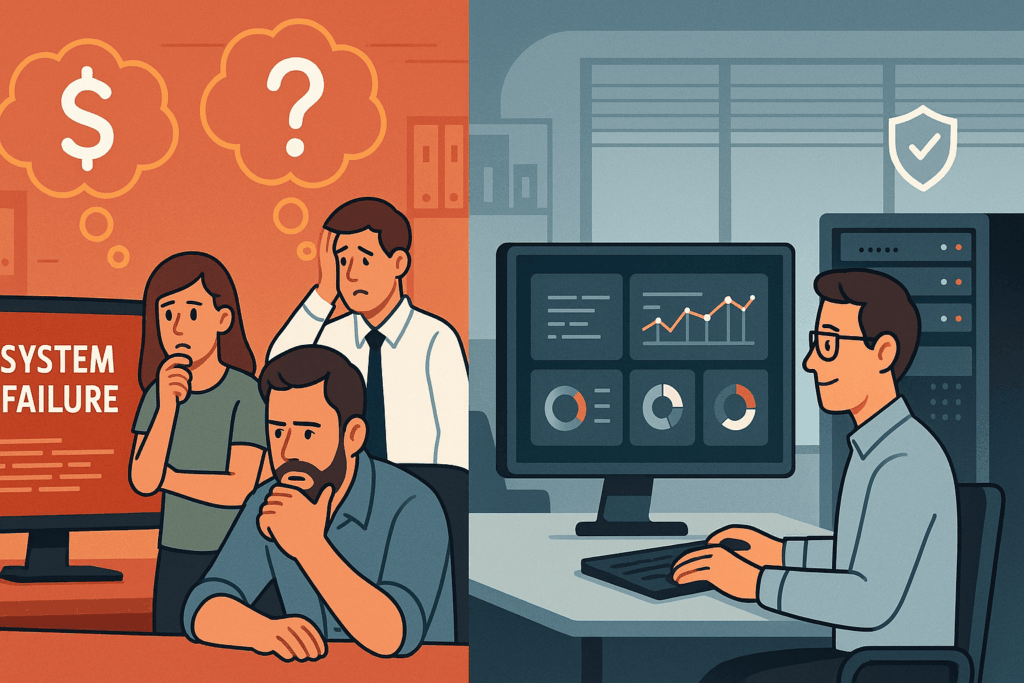
IT costs can quickly spiral out of control, driven by unexpected challenges such as hardware failures or cybersecurity breaches. For many organizations, this unpredictability leads to budget headaches, last-minute reallocations, and uncomfortable conversations with stakeholders. Managed IT Services offer a solution by turning chaotic, fluctuating IT expenses into predictable, manageable costs. Think of it as swapping out the surprise party no one asked for with a well-planned, stress-free event. Let’s explore how Managed IT can help your business budget smarter and avoid unpleasant surprises.
Why Are IT Costs Hard to Predict?
IT expenses are notoriously difficult to forecast, and here’s why:
- Unexpected hardware failures: Servers, laptops, and other equipment don’t come with a crystal ball. When they fail, the repair or replacement costs can be staggering.
- Cybersecurity incidents: A ransomware attack or data breach can lead to massive recovery expenses, regulatory fines, and reputational damage.
- Scaling challenges: As businesses grow, they often face unplanned costs for additional licenses, storage, or infrastructure upgrades.
- Reactive IT support: Paying for IT services only when something breaks can lead to unpredictable bills that vary wildly from month to month.
These challenges often leave businesses scrambling to explain unplanned expenses to stakeholders or cutting costs in other critical areas to make up for IT overruns. It’s a stressful cycle that Managed IT Services can help break.
How Managed IT Services Provide Cost Predictability?
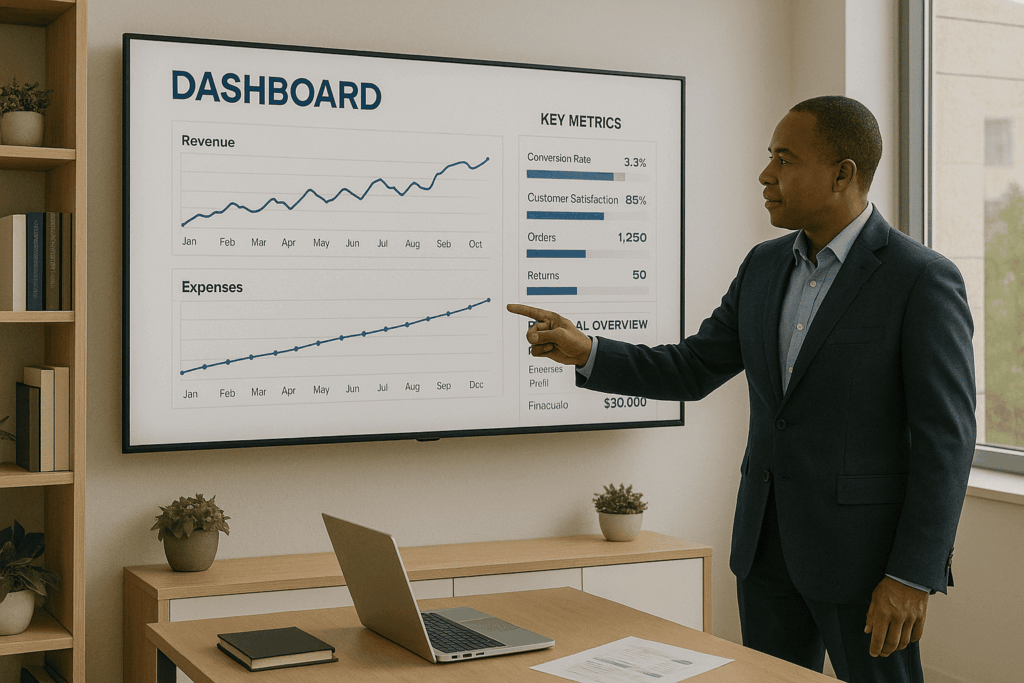
Managed IT Services transform unpredictable IT expenses into a predictable, budget-friendly model. Here’s how:
- Flat-rate pricing: Managed IT providers typically offer fixed monthly fees that cover services such as monitoring, maintenance, and support—no more surprise invoices for emergency repairs.
- Proactive maintenance: Regular system updates and monitoring help prevent costly issues before they arise, saving you from unexpected downtime.
- Scalability: Managed IT services grow with your business, offering predictable costs whether you’re scaling up or down.
- Cybersecurity protection: Comprehensive security measures are included in the plan, reducing the risk of expensive breaches.
- Access to expertise: Managed IT providers offer access to skilled professionals without the need to hire full-time staff, saving on recruitment and training costs.
For example, a flat-rate model can help businesses avoid the shock of a sudden $10,000 server repair bill, allowing them to allocate resources more effectively.
Real-World Benefits of Cost Predictability
Adopting Managed IT Services offers tangible benefits that go beyond just financial predictability:
- Improved financial planning: Predictable IT costs make it easier to allocate budgets and plan for the future.
- Reduced downtime: Proactive maintenance minimizes disruptions, saving both time and money.
- Enhanced focus on core business: With IT costs under control, businesses can focus on growth and innovation rather than firefighting IT issues.
- Peace of mind: Knowing that IT expenses are predictable and manageable reduces stress for business leaders.
Consider the story of a small business owner who reinvested savings from predictable IT costs into marketing, leading to a 20% increase in revenue. That’s the kind of impact Managed IT can have.
Common Misconceptions About Managed IT Costs
Despite its benefits, some myths about Managed IT Services persist. Let’s debunk a few:
- “It’s too expensive for small businesses”: In reality, Managed IT Services are often more affordable than ad-hoc IT support, hiring in-house staff or dealing with unexpected expenses.
- “We’ll lose control over our IT”: Well-reputed and experienced Managed IT providers work collaboratively, giving businesses full visibility and control over their systems.
- “It’s only for large enterprises”: Managed IT Services are scalable and tailored to businesses of all sizes, from startups to large corporations.
Think of it like hiring an entire IT team, It’s all about finding the right fit for your needs and goals.
Best Practices for Budgeting Smarter with Managed IT
Here are some actionable tips for leveraging Managed IT Services to improve cost predictability:
- Assess your current IT expenses: Identify areas where costs are unpredictable or unnecessarily high.
- Choose the right provider: Look for a Managed IT partner with transparent pricing and a proven track record.
- Focus on scalability: Ensure the provider can adapt to your business’s growth or changing needs.
- Prioritize cybersecurity: Invest in a provider that includes robust security measures in their services.
- Communicate your goals: Work closely with your provider to align IT services with your business objectives.
How to Evaluate If Managed IT Is Right for Your Business
Use this checklist to determine if Managed IT Services are a good fit for your organization:
- Are your IT expenses unpredictable or difficult to budget for?
- Do you lack in-house IT expertise or resources?
- Have you experienced costly downtime or cybersecurity incidents in the past?
- Is your business growing, requiring scalable IT solutions?
- Would a flat-rate pricing model help you plan your budget more effectively?
Conclusion
Managed IT Services offer a reliable way to bring cost predictability to your business, allowing you to budget smarter and focus on growth. By addressing common pain points like unexpected expenses and downtime, Managed IT transforms IT from a source of stress into a strategic advantage. Take the time to assess your current IT expenses and consider whether Managed IT could help you achieve greater financial stability. With the right partner, you’ll have the confidence to navigate the unpredictable terrain of IT costs—like a GPS guiding you through a storm.
How we can help:
1. Discovery: This phase involves understanding the current IT environment, identifying existing systems, and gathering necessary information to facilitate a smooth transition.
2. Assessment: In this phase, CRES evaluates the current IT infrastructure and services to identify gaps and areas for improvement. This assessment helps in tailoring the onboarding process to meet specific customer needs.
3. Operational Integration: The final phase focuses on integrating the new IT services into the customer’s operations. This includes ensuring that all systems are functioning correctly and that users are trained to utilize the new services effectively.
About Irfan Butt

CRES Technology – Founder and CEO
A strategic leader with over twenty years of progressive experience in Business Administration, Finance, Product Development, and Project Management. Irfan has a proven track record in a broad range of industries, including hospitality, real estate, banking, finance, and management consulting.