We’ve all been there: you call IT support because your computer is acting up, and the first question they ask is, “Have you tried turning it off and on again?” While it’s a classic line, it highlights the need for a structured approach to IT support. Desktop support tiers are designed to streamline issue resolution by assigning problems to the right level of expertise, ensuring efficiency, and minimizing downtime. In this article, we’ll demystify the different tiers of desktop support, explain their roles, and help businesses optimize their IT support strategy for better outcomes.
What Are Desktop Support Tiers?
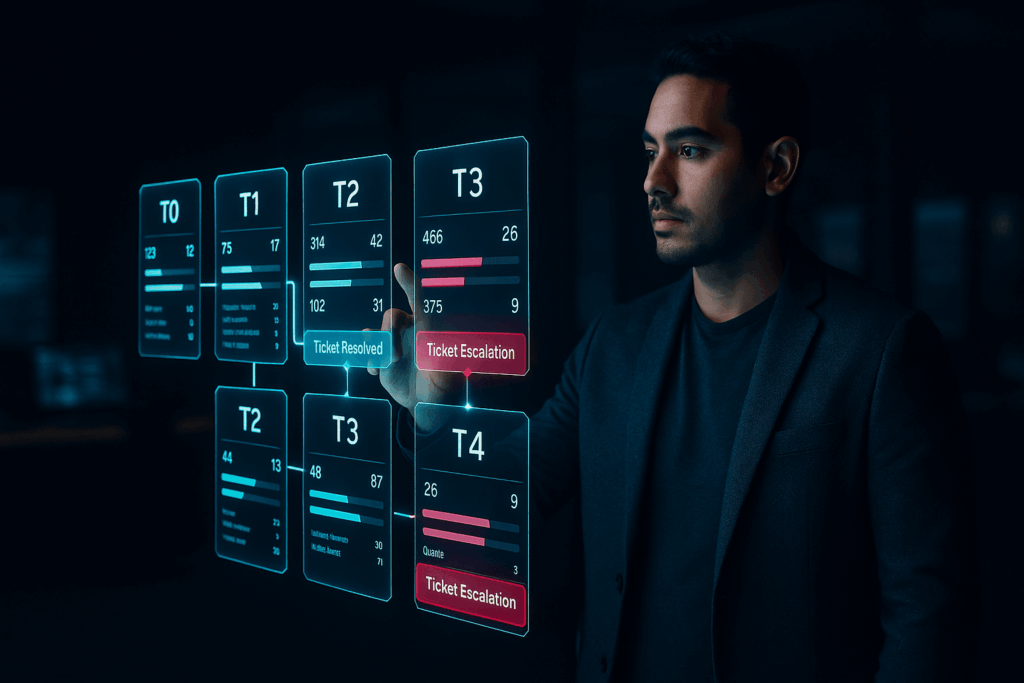
Desktop support tiers are a structured framework for resolving IT issues, with each tier representing a different level of expertise and responsibility. This tiered approach ensures that problems are addressed efficiently by routing them to the appropriate level of support. Here’s a breakdown of the common tiers:
- Tier 0: Self-service resources such as FAQs, knowledge bases, and automated tools. These are designed to empower users to resolve simple issues on their own.
- Tier 1: Basic troubleshooting and issue logging, typically handled by help desk staff. This tier addresses common problems like password resets or software installation guidance.
- Tier 2: Advanced troubleshooting performed by technicians with specialized knowledge. This tier handles more complex issues that Tier 1 cannot resolve.
- Tier 3: Expert-level support for highly complex or critical issues. This often involves senior engineers or collaboration with vendors to resolve the problem.
- Tier 4: External support provided by third-party vendors or manufacturers, typically for hardware or software under warranty or requiring proprietary expertise.
Why Are Support Tiers Important for Businesses?
A tiered support structure is essential for businesses to manage IT issues effectively. Here’s why:
- Streamlines issue resolution: Problems are routed to the appropriate tier, ensuring they are addressed by the right level of expertise.
- Reduces costs: Self-service tools and Tier 1 support handle common issues, minimizing the need for higher-cost resources.
- Ensures quick escalation: Critical issues are escalated to experts without unnecessary delays, reducing downtime and its associated costs.
For example, a small business without a tiered structure might waste valuable time and resources trying to resolve complex issues in-house, leading to prolonged disruptions.
What Are Common Pain Points in Desktop Support?

Despite the benefits of desktop support, businesses often face challenges that can hinder efficiency. A tiered approach can help mitigate these common pain points:
- Long wait times: Without proper tiering, support teams can become overwhelmed, leading to delays. A structured system reduces bottlenecks by routing issues to the appropriate tier.
- Repeated explanations: Users often find themselves repeating the same information to multiple support agents. Clear documentation and ticket handoffs between tiers can eliminate this frustration.
- Underutilized self-service tools: Many businesses fail to encourage employees to use Tier 0 resources like knowledge bases. Promoting these tools can reduce the volume of support requests and empower users to resolve simple issues independently.
How Can You Optimize Your Desktop Support Strategy?
To improve your desktop support processes, consider the following actionable steps:
- Invest in training: Equip Tier 1 staff with the skills to handle a broader range of issues, reducing the need for escalation.
- Implement robust self-service tools: Develop comprehensive knowledge bases and FAQs to empower users to resolve common issues independently.
- Leverage analytics: Use data to identify recurring issues and address their root causes, improving overall efficiency.
- Partner with a managed IT services provider: Collaborate with experts like CRES Technology to ensure seamless support across all tiers, from self-service tools to expert troubleshooting.
How Does CRES Technology Enhance Desktop Support?
CRES Technology specializes in providing tailored IT solutions that optimize desktop support for businesses. Here’s how we can help:
- Comprehensive support: We offer services across all tiers, from Tier 0 self-service tools to Tier 3 expert troubleshooting, ensuring every issue is addressed efficiently.
- Proactive monitoring: Our team uses advanced analytics to identify and resolve potential issues before they impact your business.
- Customizable solutions: We tailor our services to meet the unique needs of your organization, whether you’re in real estate, healthcare, or another industry.
By partnering with CRES Technology, businesses can reduce downtime, improve efficiency, and ensure their IT infrastructure is always running smoothly.
Conclusion
A tiered desktop support system is essential for businesses to manage IT issues effectively, reduce downtime, and improve overall efficiency. By understanding the roles of each tier, addressing common pain points, and optimizing your support strategy, you can ensure your IT infrastructure supports your business goals.
Take a moment to evaluate your current desktop support structure. Are you leveraging self-service tools effectively? Is your team equipped to handle complex issues? If you’re looking to enhance your IT support, CRES Technology offers tailored solutions to meet your needs. Reach out to us for a consultation and let us help you build a more efficient and reliable IT support system.
Read More About Desktop Support: Comprehensive Guide to Desktop Support Services
How we can help:
We offer proactive Desktop Support to ensure the health of your computers, phone systems, and mobile devices so that you don’t face any operational challenges.
Many of our new clients faced operational challenges and needed help. Very often, their IT service providers worked in a reactive way, meaning they would wait for problems to happen and then fix them. This approach was counterproductive, wasted time, and cost more. Our approach is to be proactive.
That is what makes CRES Technology stand out from the rest. Unlike most MSPs, we take action to prevent operational challenges from ever happening. We take a proactive approach to perform routine preventive maintenance on your computers, phone systems, and mobile devices. This service also includes desktop and Office 365 cloud applications, configuring your printers, copiers, and troubleshooting issues with network connectivity.
About Irfan Butt

CRES Technology – Founder and CEO
A strategic leader with over twenty years of progressive experience in Business Administration, Finance, Product Development, and Project Management. Irfan has a proven track record in a broad range of industries including hospitality, real estate, banking, finance, and management consulting.