In 2021, a small accounting firm in the Midwest fell victim to a phishing attack that compromised its Microsoft 365 credentials. Within hours, cybercriminals had accessed sensitive client data, sent fraudulent emails to customers, and disrupted operations for weeks. Stories like this are becoming alarmingly common, as small and medium-sized businesses (SMBs) increasingly find themselves in the crosshairs of cybercriminals. With limited IT resources, SMBs often struggle to keep up with the evolving threat landscape, making identity security a critical priority.
As Director of IT Services at CRES Technology, I’ve seen firsthand how SMBs rely on platforms like Microsoft 365 and Identity Providers (IdPs) to enable collaboration and streamline operations. However, these same tools are prime targets for attackers. In this article, we’ll explore why identity security is essential for SMBs, how Microsoft 365 and IdPs are being targeted, and the steps you can take to protect your organization.
What Makes Identity Security a Top Priority for SMBs?
SMBs are increasingly adopting cloud services like Microsoft 365 to enhance productivity and collaboration. While these tools offer immense benefits, they also expand the attack surface for cybercriminals. Identity security has become a top priority because compromised credentials are now the leading cause of data breaches.
- Phishing and credential-stuffing attacks are on the rise: According to Microsoft’s Cyber Signals report, identity-based attacks account for the majority of breaches. Phishing emails trick employees into revealing passwords, while credential-stuffing attacks exploit reused passwords across multiple accounts.
- Financial and reputational damage: A single breach can cost SMBs thousands of dollars in recovery expenses, legal fees, and lost business. The reputational impact can be even more devastating, eroding customer trust and loyalty.
- Lack of dedicated IT security teams: Many SMBs operate without full-time cybersecurity staff, leaving them more vulnerable to sophisticated attacks. This makes it essential to adopt proactive identity security measures.
How Are Microsoft 365 and IdPs Targeted by Cybercriminals?
Microsoft 365 and Identity Providers are attractive targets because they serve as gateways to an organization’s most critical systems and data. Attackers use a variety of methods to exploit these platforms:
- Compromised credentials: Once attackers gain access to a user’s Microsoft 365 account, they can infiltrate email, SharePoint, Teams, and other connected services. This can lead to data theft, fraud, and further attacks.
- Phishing campaigns: Cybercriminals often send emails that appear to be from trusted sources, tricking users into entering their credentials on fake login pages. For example, a recent phishing campaign targeted Microsoft 365 users with fake password reset requests.
- Token theft: Attackers can steal authentication tokens stored on devices, bypassing the need for passwords altogether.
One notable example is the SolarWinds attack, where compromised credentials allowed attackers to move laterally across networks, accessing sensitive data and systems. This highlights the importance of securing both Microsoft 365 and IdPs.
What Are the Risks of Not Securing Your IdP?
Identity Providers act as the central hub for authentication and access management. Neglecting IdP security can have far-reaching consequences:
- Gateway to multiple systems: A compromised IdP can grant attackers access to all connected applications, from email to financial systems.
- Lateral movement: Once inside, attackers can move laterally across your network, escalating privileges and accessing sensitive data.
- Data exfiltration and ransomware: Attackers can steal valuable data or deploy ransomware, crippling your operations.
Consider the Okta breach, where attackers exploited weaknesses in an IdP to compromise multiple organizations. This incident underscores the critical need for robust IdP security.
Best Practices for Securing Microsoft 365 and Your IdP
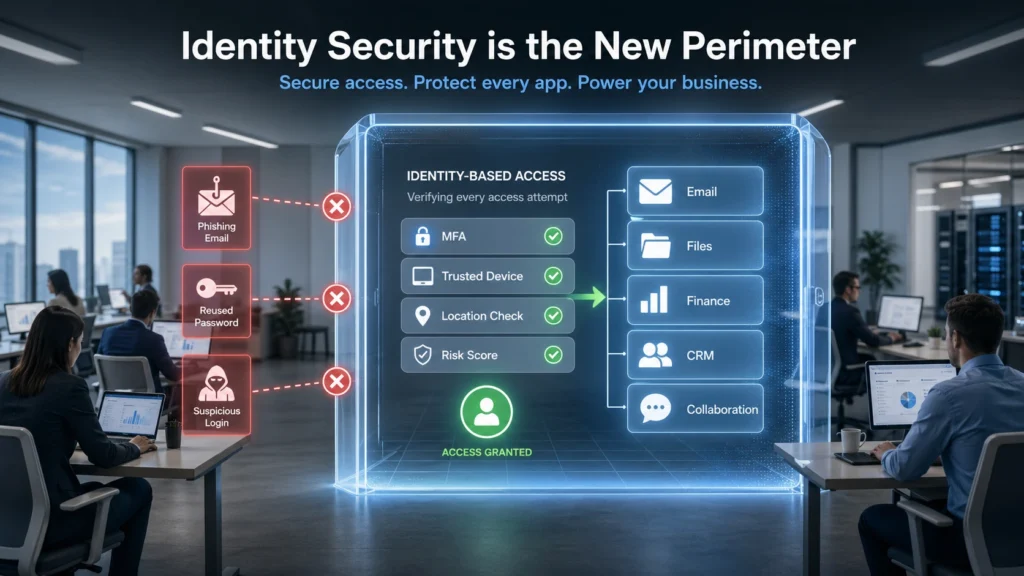
To protect your organization, it’s essential to adopt a proactive approach to identity security. Here are some best practices:
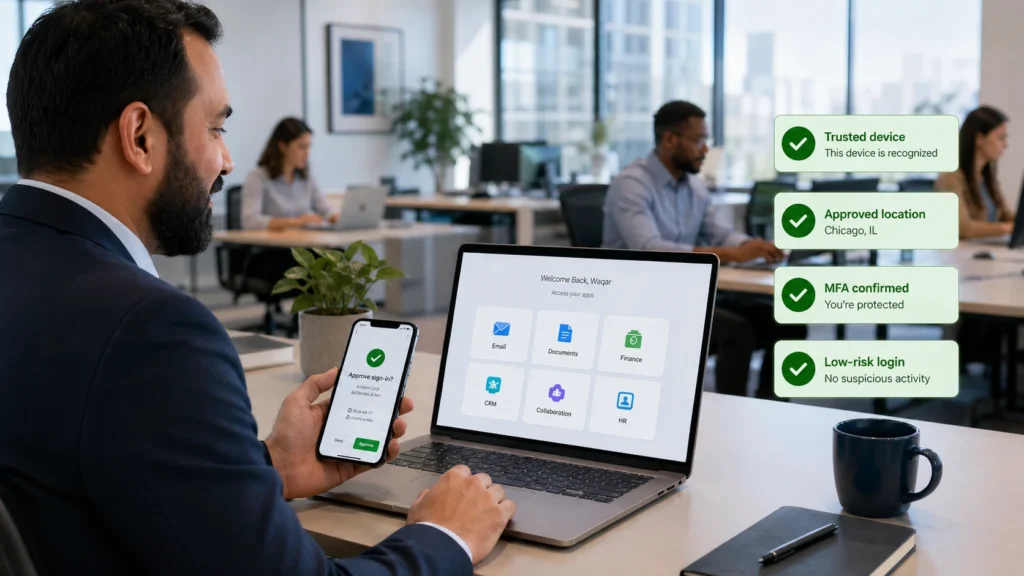
- Enable multi-factor authentication (MFA): Require MFA for all users to add an extra layer of security beyond passwords.
- Monitor login activity: Regularly audit login activity to detect suspicious behavior, such as logins from unfamiliar locations or devices.
- Implement conditional access policies: Restrict access based on factors like location, device type, or risk level.
- Train employees: Educate your team on recognizing phishing attempts and other social engineering tactics.
- Leverage advanced tools: Use solutions like Microsoft Defender for Identity to detect and respond to identity-based threats.
- Partner with experts: Work with a managed IT provider like CRES Technology for ongoing monitoring, support, and tailored security solutions.
How Can SMBs Balance Security and Usability?
One common concern among SMBs is that enhanced security measures may hinder productivity. However, it’s possible to strike a balance between security and usability:
- Adopt single sign-on (SSO): SSO simplifies access by allowing users to log in once to access multiple applications securely.
- Use user-friendly MFA options: App-based or biometric authentication methods are less intrusive and more convenient for employees.
- Foster employee buy-in: Communicate the importance of security measures and involve employees in the process to ensure compliance.
Conclusion
As cyber threats continue to evolve, SMBs must prioritize identity security to protect their Microsoft 365 environments and Identity Providers. The risks of neglecting these areas are too great, from financial losses to reputational damage. By implementing best practices like MFA, conditional access, and employee training, SMBs can significantly reduce their risk.
If you like to discuss this further, feel free to reach out.
About Waqar Hussain

CRES Technology – Director of IT Services
A technology leader with outstanding knowledge, technical expertise, and a proven track record of leading complex infrastructure projects and managing help desk teams.